
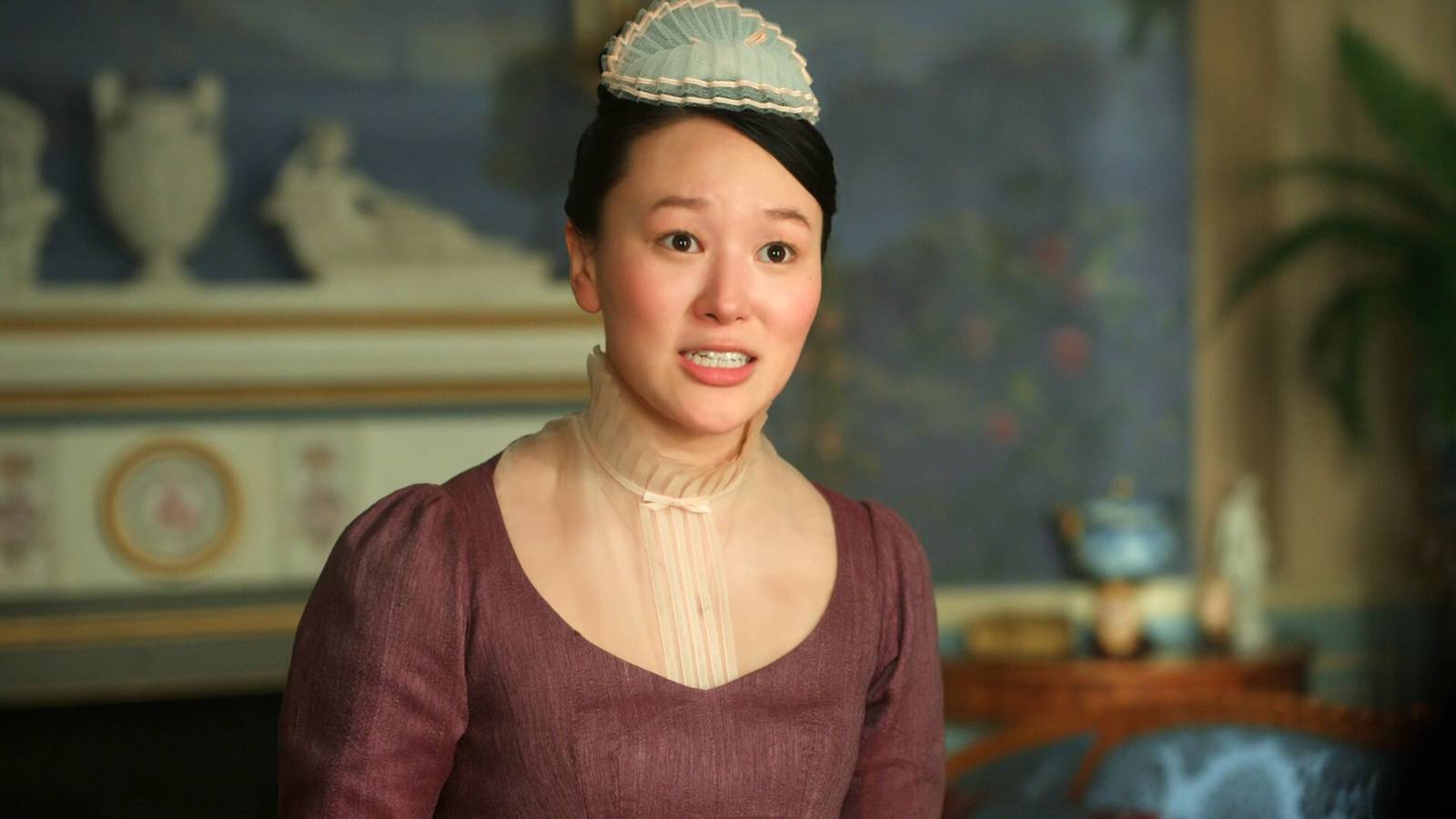
As Bridgerton moves into its fourth season, the introduction of Sophie Baek brings one of the show’s most emotionally layered storylines yet. Viewers may have already encountered the term “ward” in earlier seasons, but Sophie’s background gives the word new weight. In Regency-era society, being a ward was both a form of protection and a quiet limitation, and in Bridgerton, it becomes the key to understanding Sophie’s rise, fall, and complicated place in the ton.
Sophie Baek, portrayed by Yerin Ha, first appears as the mysterious “Lady in Silver,” instantly capturing attention at a high-society event. But beneath that elegant exterior lies a precarious social status rooted in secrecy, class, and survival.
What a Ward Meant in Regency England
In the early 1800s, a ward was typically a child placed under the legal guardianship of an adult who was not their parent. This arrangement often applied to orphans or children without recognized family support. While wards could receive education, shelter, and even a degree of refinement, they had no automatic claim to inheritance or title. Their security depended entirely on the goodwill of their guardian.
For aristocratic households, wardship also served another purpose. It offered a socially acceptable way to care for illegitimate children without publicly acknowledging them. By presenting a child as a “friend’s orphan” or distant relation, a nobleman could avoid scandal while still providing for the child’s future.
This historical reality forms the backbone of Sophie Baek’s story in Bridgerton Season 4.
Sophie Baek and the Protection of a Lie
According to Netflix’s official background on the character, Sophie was taken in by the late Earl of Penwood, who introduced her to society as the orphaned daughter of a friend. In truth, Sophie was his biological child, born from a relationship with a housemaid. Publicly acknowledging her as his daughter would have caused social ruin, so the earl used wardship as a shield.
During his lifetime, this arrangement allowed Sophie access to privileges she would never have had otherwise. She was educated, dressed well, and raised with a sense of dignity, even if her true identity was carefully concealed. In the rigid hierarchy of the ton, being a ward placed her in a fragile middle ground. She was not a servant, but she was never fully accepted as family either.
That balance collapses with the earl’s death.
From Ward to Servant
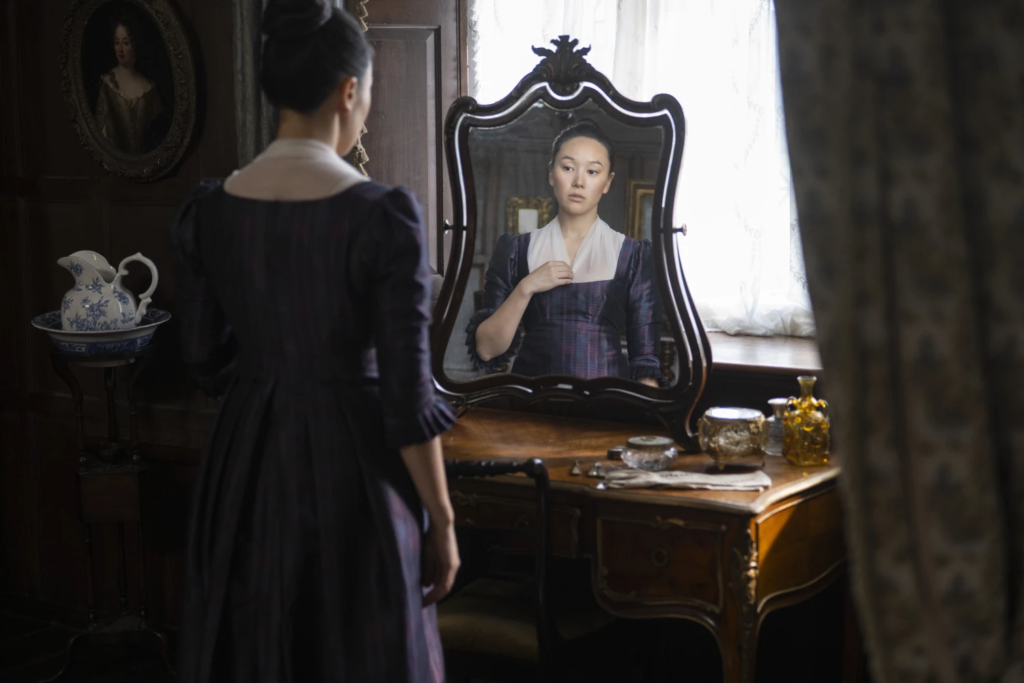
After the Earl of Penwood dies, Sophie’s protections vanish almost overnight. His widow, Lady Araminta, steps into control of the household and wastes no time reasserting social boundaries. With no legal recognition and no inheritance rights, Sophie is stripped of her status and forced into the role of a housemaid.
Lady Araminta’s actions are not just personal cruelty. They reflect the brutal realities of Regency law and custom. Without a legitimate claim, Sophie has no recourse. Her fall from ward to servant highlights how conditional her earlier comfort truly was.
Katie Leung’s portrayal of Lady Araminta underscores this power shift, showing how easily social standing could be rewritten once male protection disappeared. For Sophie, the demotion is not only a loss of comfort, but a loss of identity.
Why This Matters for Sophie and Benedict
Showrunner Jess Brownell has emphasized that Sophie’s past is central to her connection with Benedict Bridgerton. Unlike many romances in Bridgerton, this relationship is shaped by secrecy, class divide, and emotional resilience rather than straightforward courtship.
Sophie’s experience as a ward gives her a unique perspective. She has lived among the elite and been cast out by them. She understands the rules of high society but also knows how quickly they can be weaponized. This duality makes her both cautious and quietly defiant, traits that set her apart from other romantic leads in the series.
Yerin Ha has spoken about how Sophie’s guarded nature and inner strength stem directly from her uncertain upbringing. Meanwhile, Benedict’s own discomfort with rigid social expectations positions him as someone capable of seeing Sophie beyond her title or lack thereof.
A Familiar Bridgerton Theme, Reimagined
Bridgerton has always explored how power, legitimacy, and love intersect in a society obsessed with appearances. Sophie Baek’s story reframes those themes through the lens of wardship, reminding viewers that status in the ton was often built on silence and compromise.
By grounding Sophie’s arc in real historical practices, the series adds depth and authenticity to her journey. Her story is not just about romance, but about reclaiming agency in a world that never truly allowed her to belong.
As Season 4 unfolds, Sophie’s past as a ward is set to shape every choice she makes, and every risk she takes, in her search for love and self-worth.